
Portrait L
Frieze Masters, 9-13 October 2024
As one of the 67 Graeco-Roman panel portraits discovered by William Flinders Petrie in Hawara in 1888, by the 1970s Portrait L - the only one remaining in private hands - had been mistaken for a 17th-century oil painting and faded into obscurity. After a year of academic and scientific research, she was presented to the public again at Frieze Masters 2024.
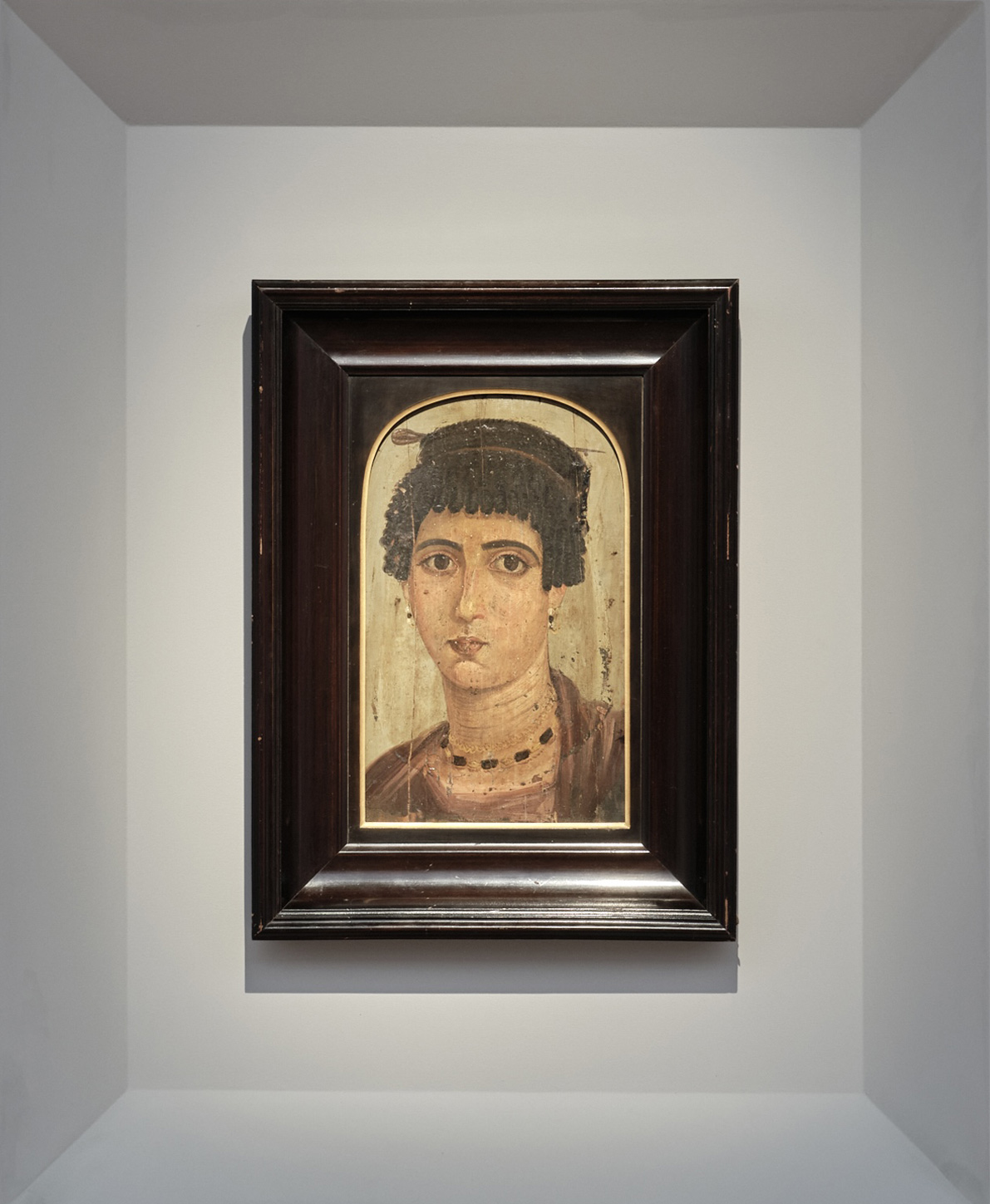
ANCIENT PANEL PORTRAITURE
The panel paintings from Roman Egypt are the oldest surviving naturalistic portraits known, created 1,500 years before paintings of everyday people would next appear. Painted for the men, women and children of the Fayum Oasis, they were placed over the faces of their mummies, preserving their images across millennia.
Timeline of Portraiture
The Renaissance is often hailed as the Golden Age of Portraiture. However, its roots can be traced back to the time of the ancients.
Fifth century B.C.
In the late Classical Period naturalistic painting develops under the Sikyonian School
Fourth century B.C.
Greek painter Pausias refines the encaustic technique – a method using heated beeswax mixed with pigments – paving the way for its use in Graeco-Roman panel portraits
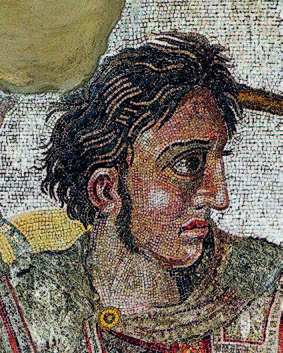
Fourth century B.C.
During the Hellenistic Period artists such as Apelles of Cos elevate portraiture to new heights, creating groundbreaking paintings, none of which survive
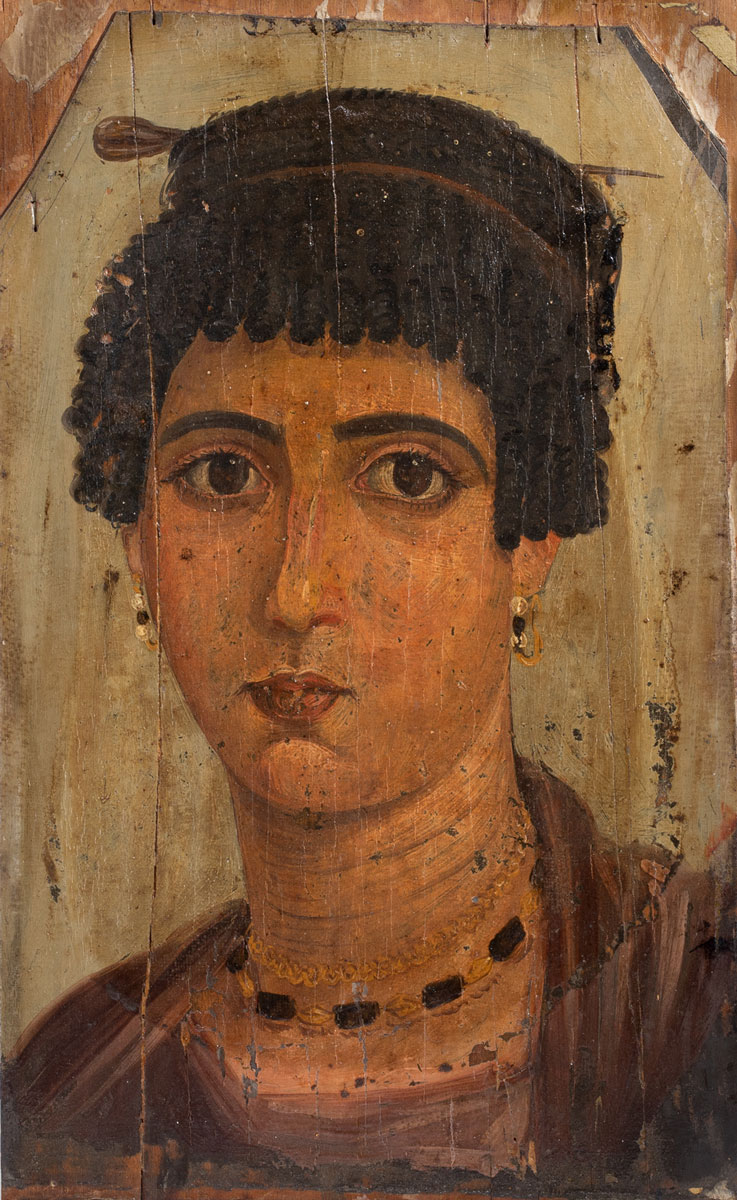
First Century A.D.
Graeco-Roman panel painting reaches its artistic height, using the medium of encaustic to create individualistic portraits with vibrancy and depth
Third Century A.D.
Production of panel portraits in encaustic declines
DORMANT MILLENNIUM OF WESTERN PORTRAITURE
Sixth century
During the Byzantine Period encaustic is used to depict religious figures
Eighth century
Period of Iconoclasm begins
Eleventh century
Romanesque art is characterised by religious symbolism with elongated and abstract figural representations
Twelfth century
Gothic art develops from Romanesque art. Some individualised depictions exist but remain highly stylised
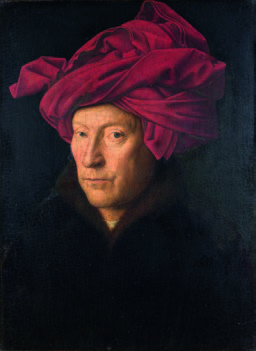
Fifteenth century
Netherlandish painters such as Jan van Eyck revive naturalistic portraiture with their mastery of a new medium, oil. Like encaustic, oil could capture the nuances of reality, bridging the gap between ancient traditions and the Renaissance
Sixteenth century
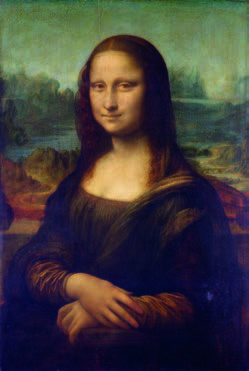
In 1503, Leonardo da Vinci paints Italian noblewoman Lisa del Giocondo, the Mona Lisa
Sixteenth century
Renaissance painters such as Sandro Botticelli, Titian and Lorenzo Lotto depict monarchs, nobles and deities with great naturalism
Seventeenth century
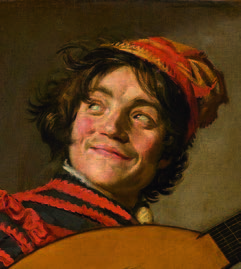
Dutch Golden Age painter Frans Hals becomes one of the first modern painters to popularise portraiture for the middle classes
THE PAINTER’S PALETTE
Scientific analysis has revealed that a broad range of pigments were used in skilful combinations to create the colours in Portrait L. These pigments were suspended in beeswax and blended to achieve qualities of translucency and depth.
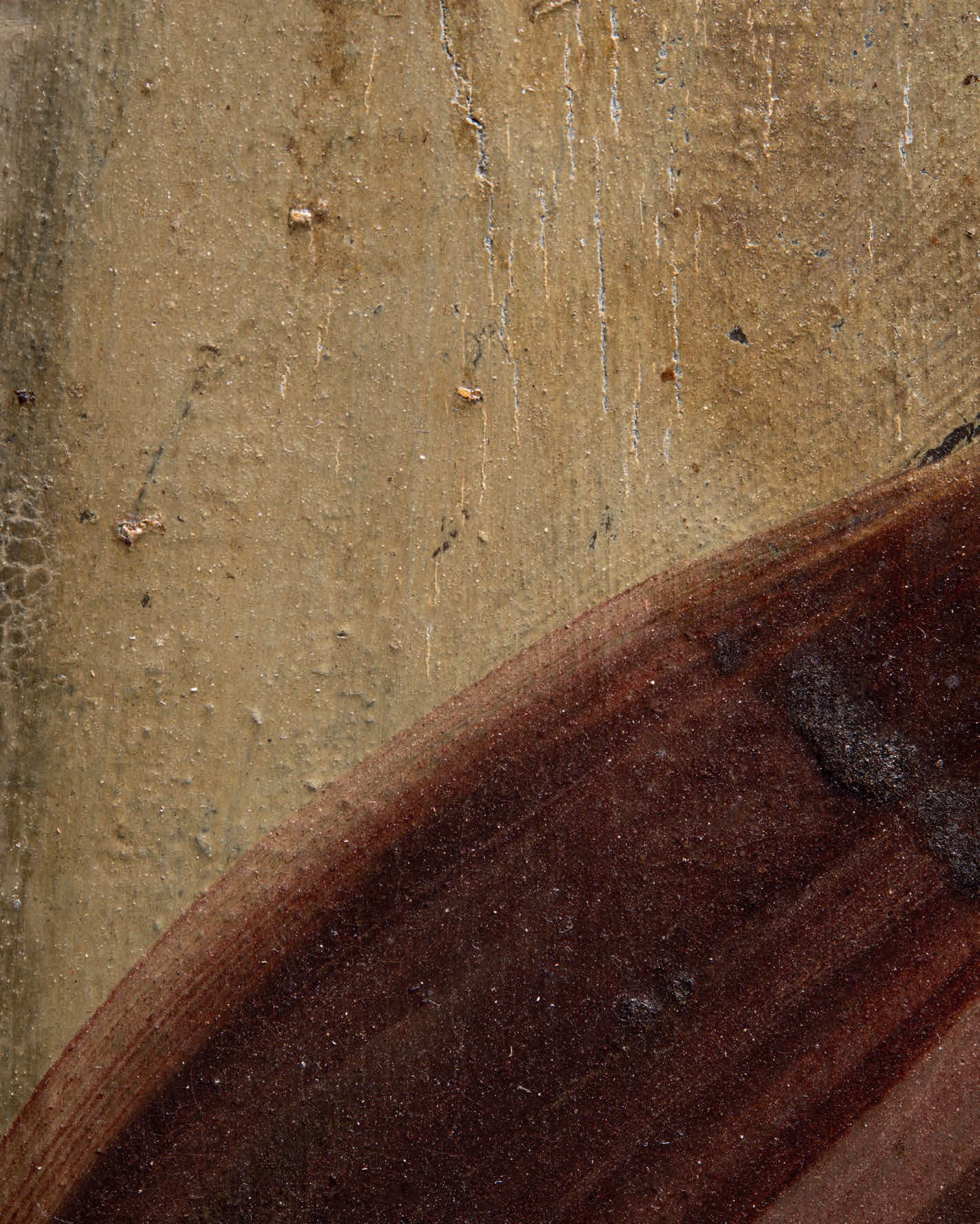
‘THE PAINTER CHOOSES WITH GREAT SPEED BETWEEN HIS COLOURS WHICH HE HAS PLACED IN FRONT OF HIM IN GREAT QUANTITY AND VARIETY OF HUES, IN ORDER TO PORTRAY FAITHFULLY THE NATURALNESS OF THE SCENE, AND HE GOES BACKWARDS AND FORWARDS WITH THE EYES AND WITH THE HANDS BETWEEN THE WAXES AND THE PICTURE.’
Seneca, Epistles 121.5
Lead White
Lead white is one of the oldest manmade pigments in the world. Prized for its brilliance and smooth texture, it remained a staple on artists' palettes from antiquity through to the nineteenth century.
Carbon Black
Carbon black is one of the oldest naturally occurring pigments used by artists. Made from charring organic materials, its use dates back to prehistoric cave paintings.
Red Earth Pigment
As a naturally occurring substance, red earth pigment has been used since prehistoric times. Vitruvius said that one of the best places for its production was Egypt.
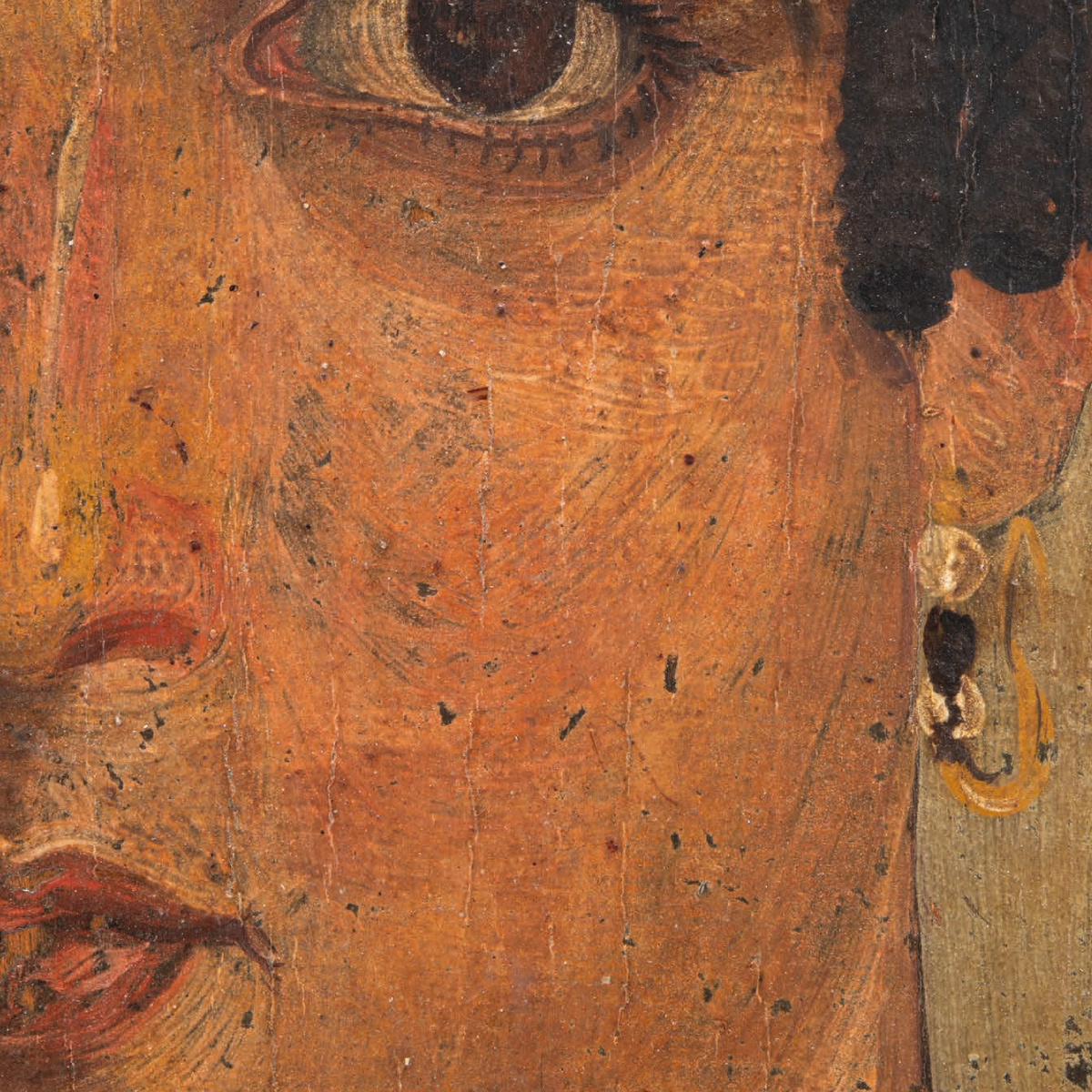
Red Lead
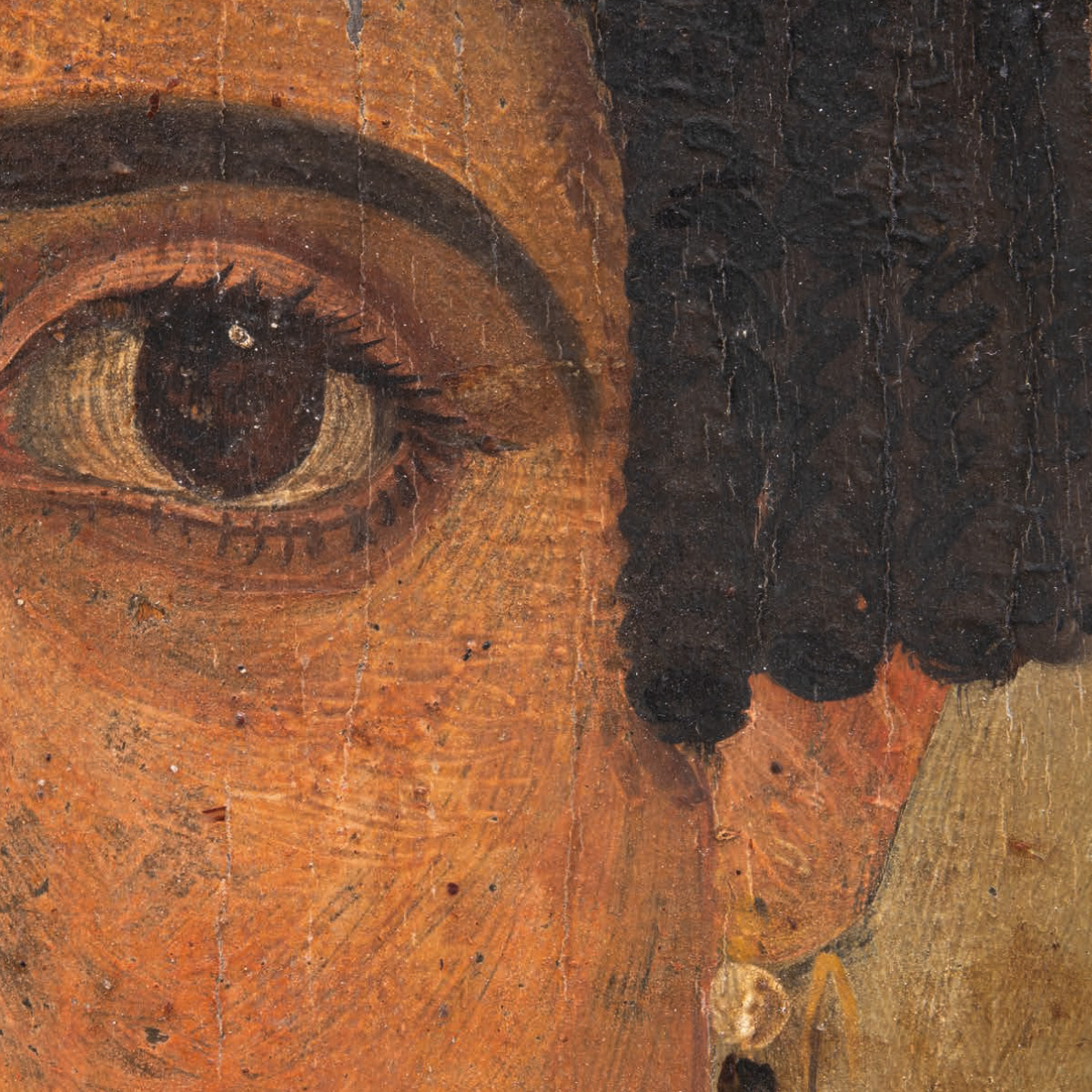
Another early manmade pigment is red lead. In antiquity, the production of red lead was linked to the silver mines at Rio Tinto and other locations in Roman Spain.
Copper-based Green
Copper-based green pigments, like verdigris and malachite, were valued for their rich hues. Here, they’re used for the sitter’s emerald jewellery.
Yellow Earth Pigment
Yellow ochre was widely used across ancient civilizations. Its distinctive colour was used in Pompeian wall paintings.
Tilia europaea
Tilia europaea (lime wood) was used for over 70% of mummy portraits. Thin, imported, and ideal for panels.
Brown Ochre
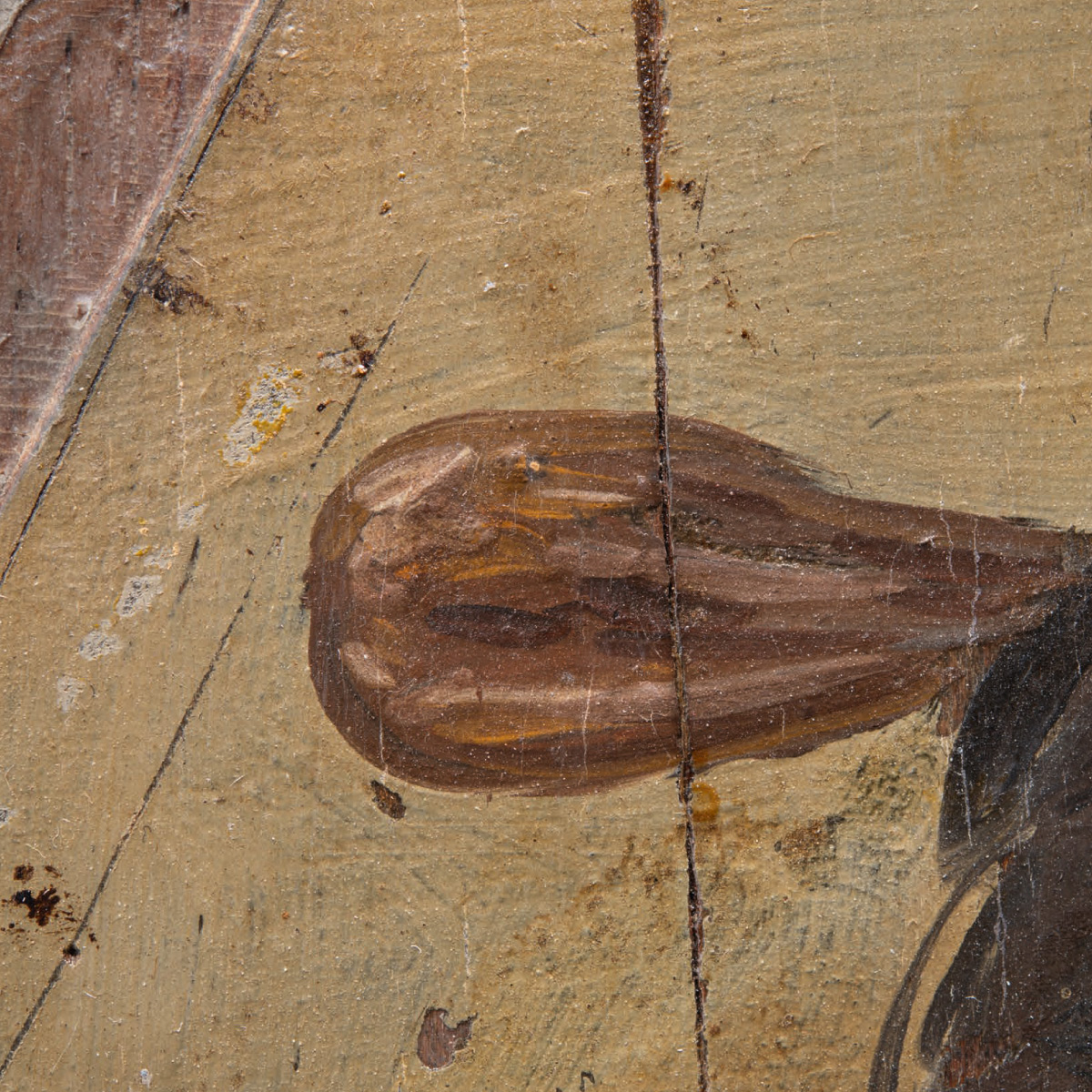
Brown ochre has been valued for its warmth, opacity and permanence. Here it adds depth to an ebony hairpin.
Gold Leaf
Petrie noted 'bandaging all gilt'. Gold leaf signified wealth and was used to symbolize divinity in mummy portraits.
EXHIBITION HISTORY
Despite being exhibited in major capital cities – London, New York, Paris, Amsterdam – during the first two decades of the 20th century, by the 1970s, Portrait L’s faded into total obscurity.
At Frieze Masters 2024, after a year of academic and scientific research, Portrait L was exhibited to the public again for the first time in over a century - her remarkable history and provenance once again brought to light.
Portrait of H. M. Kennard
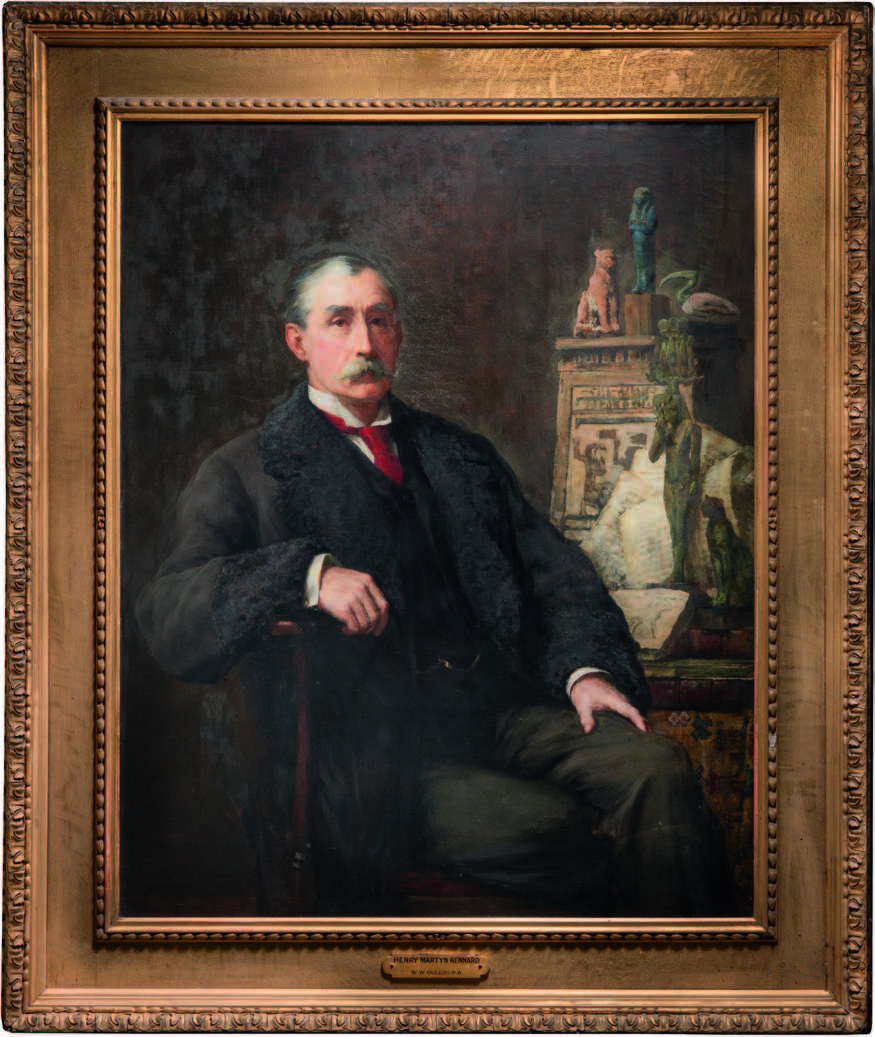
Henry Martyn Kennard was the financial backer for Petrie’s 1888 expedition and the discovery of Portrait L. Fascinated by the art of ancient Egypt, he visited the dig site frequently, and even selected the portrait for his own collection. Returning to London, inspired by the recent finds, he turned his attention to capture his own likeness for posterity, and chose to be painted surrounded by his collection of Egyptian art.
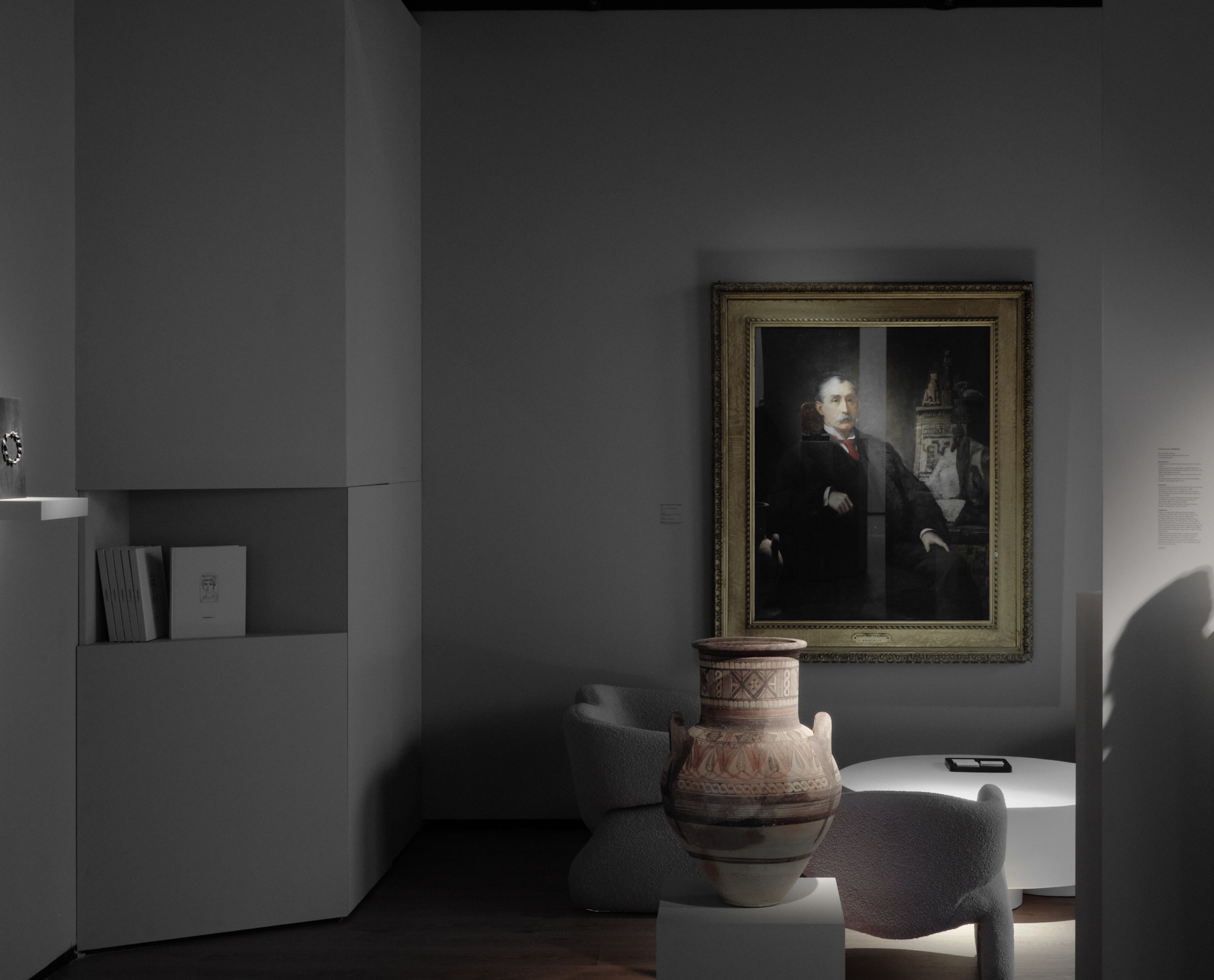
At Frieze Masters 2024, Kennard’s portrait by W. W. Ouless (1848-1933) was reunited with Portrait L for the first time in over a century. The exhibition also marked the first time Ouless’ portrait had been displayed to the public since its 1891 exhibition at the Royal Academy of Arts.
Portrait L remained with Kennard from the year of her discovery, 1888, until Kennard’s death in 1911.
